
Published On: February 25, 2026 7:06 pm
The Role of Emotion in Gambling
The psychology of winning at casinos is deeply intertwined with emotions. Many players experience a rush of excitement and adrenaline when they step into a casino, which can significantly influence their decision-making. This emotional engagement can lead to impulsive bets, driven by the thrill of potential wins. Understanding this emotional aspect is crucial for both players and casinos, as it shapes the gambling experience. If you’re looking for more information, you can find it here in our detailed resources.
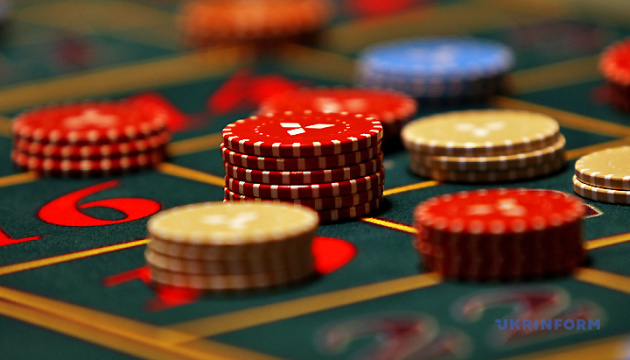
Additionally, the joy of winning can create a powerful feedback loop. When players win, they often feel euphoric, which encourages them to play more. Conversely, losing can lead to frustration and the infamous “chasing losses” behavior. This cycle of emotions can cloud judgment and ultimately influence strategies, making it essential to recognize emotional states during gameplay.
The Importance of Cognitive Biases
Cognitive biases play a significant role in gambling psychology, impacting how players perceive their chances of winning. One common bias is the illusion of control, where players believe they can influence the outcome of a random game, such as slot machines or roulette. This leads to overconfidence and can result in riskier betting behaviors.
Another notable bias is the gambler’s fallacy, where individuals think past outcomes will influence future results. For instance, if a roulette wheel has landed on red several times in a row, a player may incorrectly assume that black is “due” for a win. These cognitive distortions can mislead players and affect their overall gambling strategies.
Risk and Reward Dynamics
The psychology behind gambling also includes a complex understanding of risk and reward. Players often weigh the potential benefits of a win against the risk of losing money. This dynamic is further complicated by the varying degrees of risk associated with different games; for example, poker combines skill and chance, while slot machines are purely chance-driven.
Additionally, the allure of high-stakes games often attracts players looking for a substantial reward, despite the increased risk. Understanding how individuals assess these risks can provide valuable insights into their gambling behaviors, including why some may prefer safer bets while others chase bigger payouts.
The Influence of Environment and Design
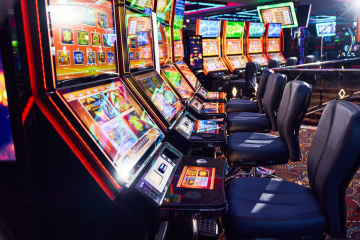
The casino environment is designed to enhance the psychological experience of gambling. From vibrant colors and dynamic sounds to strategically placed machines, every element aims to maximize player engagement. Such environments stimulate excitement and can lead to longer play times, as players are often reluctant to leave once they’re absorbed in the atmosphere.
Further, casinos utilize various psychological tactics, such as free drinks and rewards programs, to cultivate loyalty and encourage repeat visits. By understanding how environmental factors stimulate players psychologically, casinos can increase their profitability while also enhancing the overall experience for guests.
Exploring Resources on Gambling Psychology
This website serves as a comprehensive resource hub for those looking to understand the complexities of gambling psychology. By offering insights into the emotional, cognitive, and environmental aspects of gambling, it provides users with a deeper understanding of their behaviors and strategies. Visitors can explore a wealth of information tailored to enhance their knowledge and experiences within the gambling world.
While some pages may be restricted, the site remains a valuable tool for anyone interested in gaining a psychological perspective on winning at casinos. It aims to engage users with informative content, helping them navigate the intricate dynamics of gambling success.